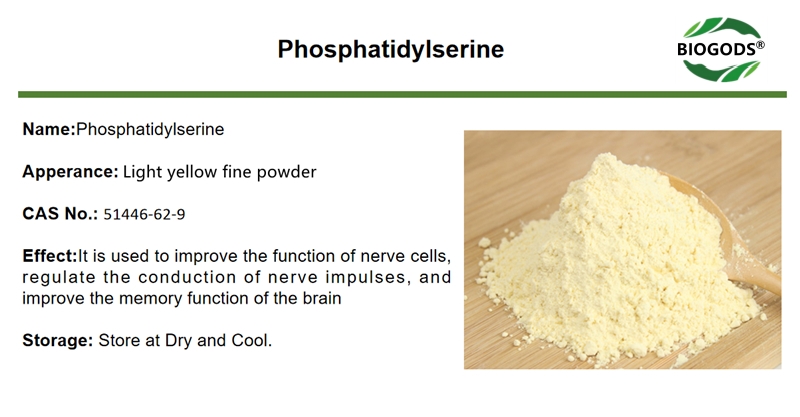
Phosphatidylserine (PS) has various biological activities and health benefits, mainly including improving memory, relieving fatigue, enhancing immunity, assisting in improving sleep quality, and regulating blood lipids.
1. Improve memory
PS can improve nerve cell function, regulate the transmission of nerve pulses, and enhance brain memory function. It helps brain cells store and read data by affecting the transmission of chemical messages in the brain, thereby enhancing the brain's memory and response abilities. Clinical studies have shown that PS can slow down or even reverse cognitive decline associated with aging, including decline in learning, emotions, memory, and attention.
2. Relieve fatigue
PS is a neurotransmitter that can promote brain development, accelerate body metabolism, and alleviate fatigue to some extent. If patients experience symptoms such as physical weakness and mental exhaustion, appropriate intake of PS can help improve these symptoms.
3. Enhance immunity
PS contains rich amino acids that can supplement the body with necessary nutrients, promote bone development, and enhance the body's immunity. For patients with weakened immunity, moderate intake of PS can enhance their immunity to a certain extent.
4. Assist in improving sleep quality
PS also has the effect of assisting in improving sleep quality. For patients with insomnia, taking medication containing PS may help improve sleep quality.
5. Regulate blood lipids
PS has the function of regulating blood lipids, which can help prevent arteriosclerosis and improve cardiovascular health. This effect may be related to its ability to regulate blood lipid levels.
6. Other functions
In addition, PS also has anti-inflammatory effects, which can inhibit the production of inflammatory mediators and leukocyte migration, reduce inflammatory reactions, regulate immune responses, and enhance immune system function. It also has a certain sedative effect, which can regulate the excitability of the nervous system, relieve anxiety and tension.