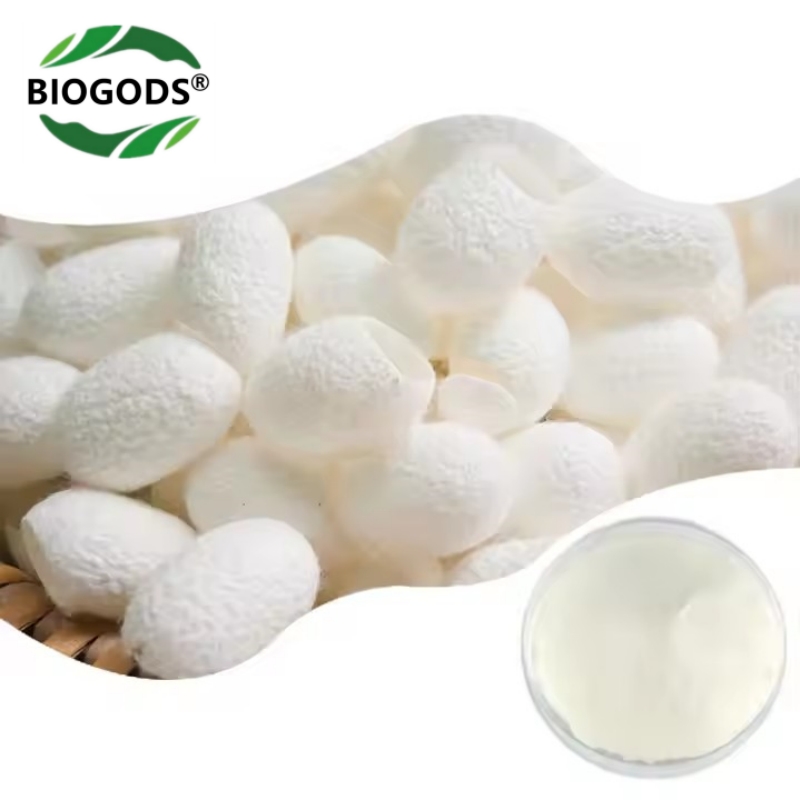
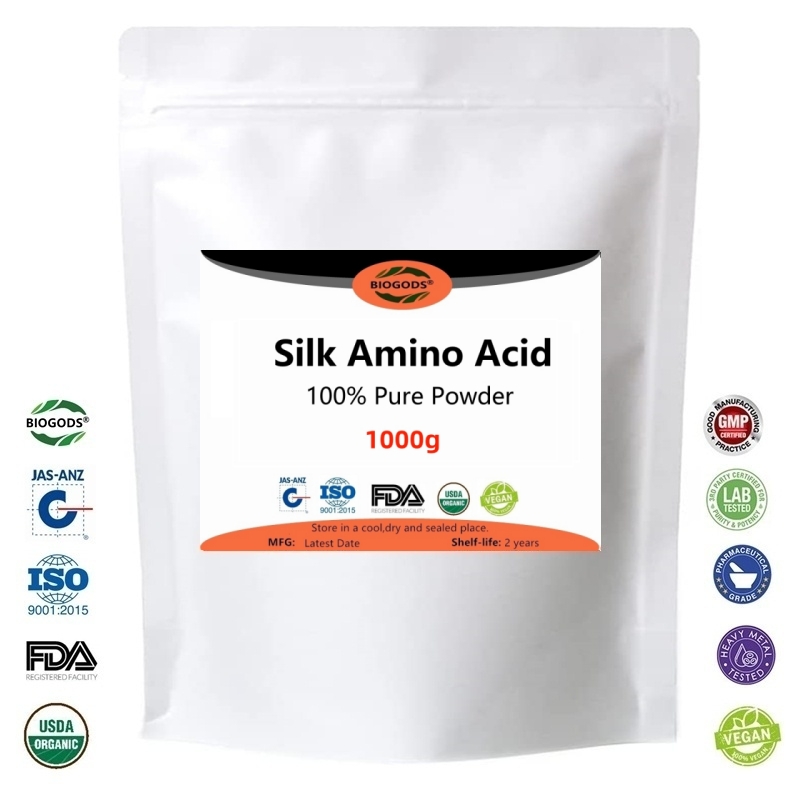
Silk amino acids have multiple functions, mainly including moisturizing, whitening, freckle removal, and anti-aging. The content of alanine, serine, glycine and other components in silk amino acids is relatively high. These components have high nutritional value and can penetrate into the dermis layer of the skin, participate in the activity of enzymes in the body, thereby achieving the effects of regulating moisture, moisturizing, preventing ultraviolet radiation, inhibiting melanin production, anti-aging and nourishing the skin.
In addition, silk amino acids also have the following specific functions:
Moisturizing: Silk amino acids can maintain skin moisture and prevent dryness.
Whitening: It can prevent melanin from being transported to keratinocytes in the body, promote metabolism, accelerate the breakdown of melanin in the body, and make the skin fairer and more radiant.
Spot removal: Continuous use of silk amino acids can help fade spots.
Anti aging: Silk amino acids can promote skin metabolism, help build better skin cell structure, promote the generation of new cells, and make the skin firmer.
| Item Name |
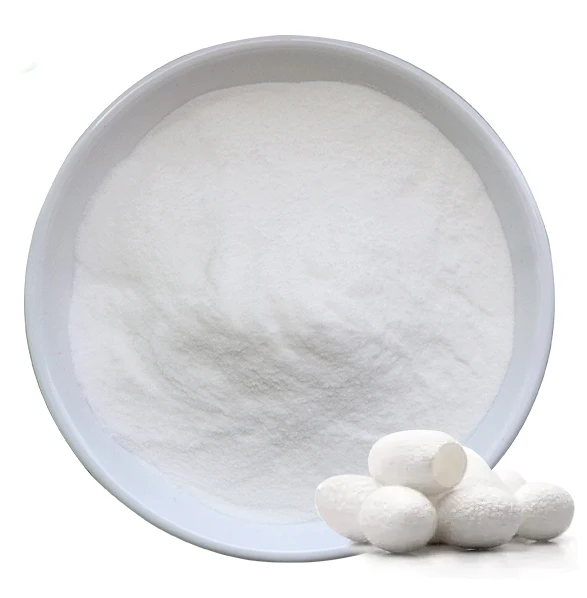
Silk Amino Acids Powder |
 |
| Appearance |
White Powder |
| Total Content of Glycine, L-Alanine, L-Serine (%) |
≥83 |
| Application |
Cosmetic/Healthcare Supplement |
|
Project
|
Silk Amino Acids Powder
|
|
Characters
|
Creamy white powder, easily dissolving in water and has sweet taste
|
|
Identify
|
Ninhydrin reaction is positive
|
|
Total Nitrogen (%)
|
≥15
|
|
Drying Shrinkage (%)
|
≤4
|
|
Residue on Ignition (%)
|
≤3
|
|
Solid Content (%)
|
|
|
PH Value
|
4.5-6.5
|
|
Total Content of Glycine, L-Alanine, L-Serine (%)
|
≥83
|
|
Heavy Metal (recorded with pb) /(mg/kg)
|
≤5
|
|
Arsenic (mg/kg)
|
≤0.5
|
|
Total Bacterial Count (CFU/g)
|
≤100
|
|
Coliform (MPN) (entity/100g)
|
≤30
|
|
Pathogenic Bacteria (Salmonella, Shigella, Staphylococcus Aureus)
|
Not Detectable
|


