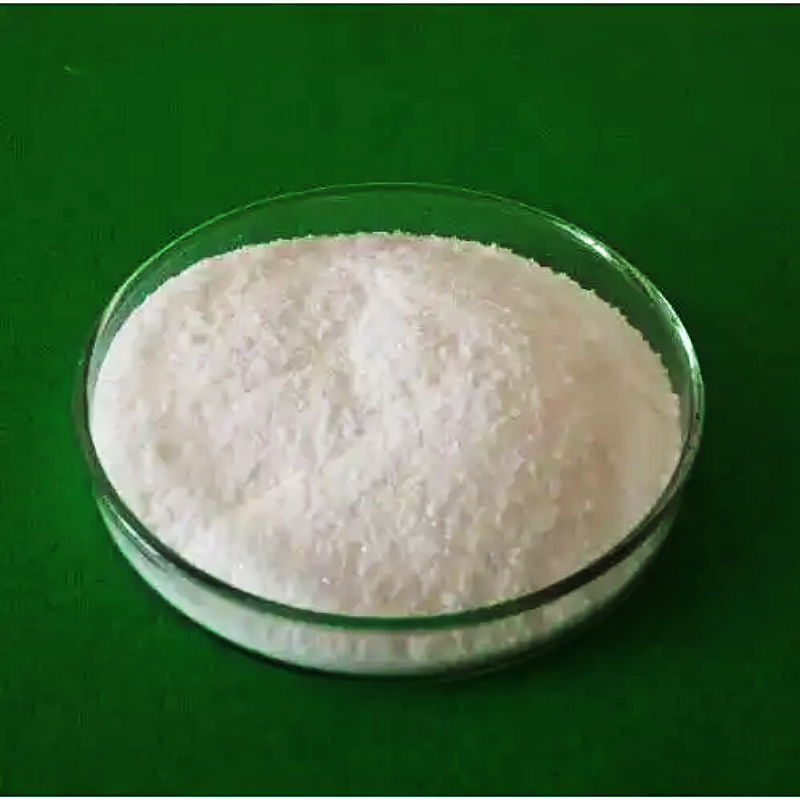
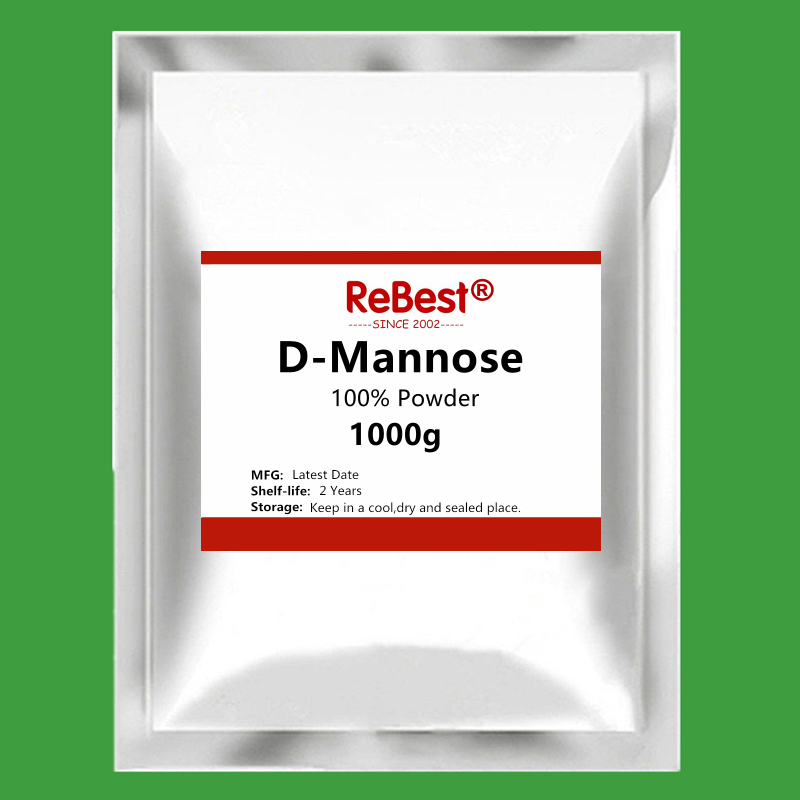
D-Mannose is a naturally occurring simple sugar (monosaccharide) structurally similar to glucose. It is found in small amounts in fruits like cranberries, apples, and oranges. Widely used as a dietary supplement, D-Mannose is best known for its role in supporting urinary tract health.
Below are its primary functions and benefits:
1. Prevention and Treatment of Urinary Tract Infections (UTIs)
Mechanism: D-Mannose binds to E. coli bacteria (the most common cause of UTIs), preventing them from adhering to the walls of the urinary tract. The bacteria are then flushed out during urination[][].
Evidence: Studies suggest it may reduce recurrence of UTIs and alleviate symptoms like pain and urgency[].
2. Supports Bladder Health
Helps maintain a healthy bladder lining by reducing bacterial adhesion and inflammation[].
3. Alternative to Antibiotics
Often used as a natural, non-antibiotic option for managing mild UTIs, minimizing antibiotic resistance risks[].
4. May Aid in Glycosylation
Plays a role in protein glycosylation, a process critical for cellular communication and immune function[].
5. Potential Benefits for Gut Health
Some research indicates it may promote the growth of beneficial gut bacteria, though evidence is preliminary[].
6. Safe for Most Individuals
Generally well-tolerated with minimal side effects (e.g., mild bloating or diarrhea in rare cases)[].
Safety and Dosage
Typical Dose: 1–2 grams daily for prevention; up to 3 grams divided into doses for active UTIs[].
Caution: Consult a healthcare provider before use if pregnant, breastfeeding, or diabetic.