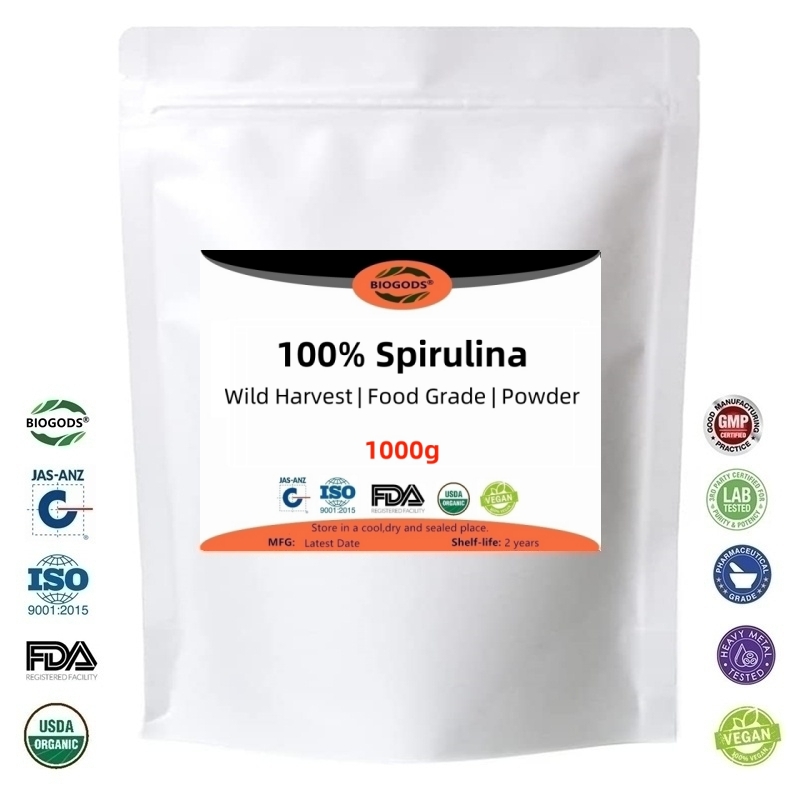
Spirulina is a plant with high nutritional value, rich in protein, vitamins, minerals, and more. It contains 8 essential amino acids for the human body, as well as abundant vitamins B1, B2, B6, B12, E, K, and more. It also contains abundant minerals such as calcium, iron, zinc, selenium, etc. It can also enhance the body's immunity and promote metabolism.
The functions of spirulina generally include enhancing immunity, regulating blood lipids and blood sugar, promoting nutrient absorption, and protecting gastrointestinal health.
The development of chronic diseases.
1. Enhance immunity
Spirulina is rich in natural phycocyanin, which can effectively enhance the immune function of human cells, thereby improving the body's immunity and disease resistance, and helping to resist the invasion of external pathogens.
2. Regulate blood lipids and blood sugar levels
The unsaturated fatty acids such as gamma linolenic acid in spirulina can help reduce cholesterol and blood lipid levels in the body, and have a certain effect on preventing cardiovascular diseases. At the same time, spirulina can also regulate blood sugar, which has a significant impact on the stability of diabetes, and is suitable for diabetes patients as an auxiliary food.
3. Promote nutrient absorption
Spirulina contains abundant protein, vitamins, minerals, and other nutrients that are comprehensive and easily absorbed and utilized by the human body, helping to supplement the nutritional deficiencies in daily diet.
4. Protect gastrointestinal health
Spirulina, as an alkaline food, can effectively neutralize stomach acid and has a relieving effect on patients with stomach diseases such as gastritis and gastric ulcers. Its high plant protein and chlorophyll components can also promote the repair and normal secretion of gastrointestinal mucosa.